Low Lay Hiang
← Home

My design approach

“I look at both sides: what the customer sees, and what happens behind the scenes to make it possible.”

I use design thinking, a clear framework, to help teams work through complexity.

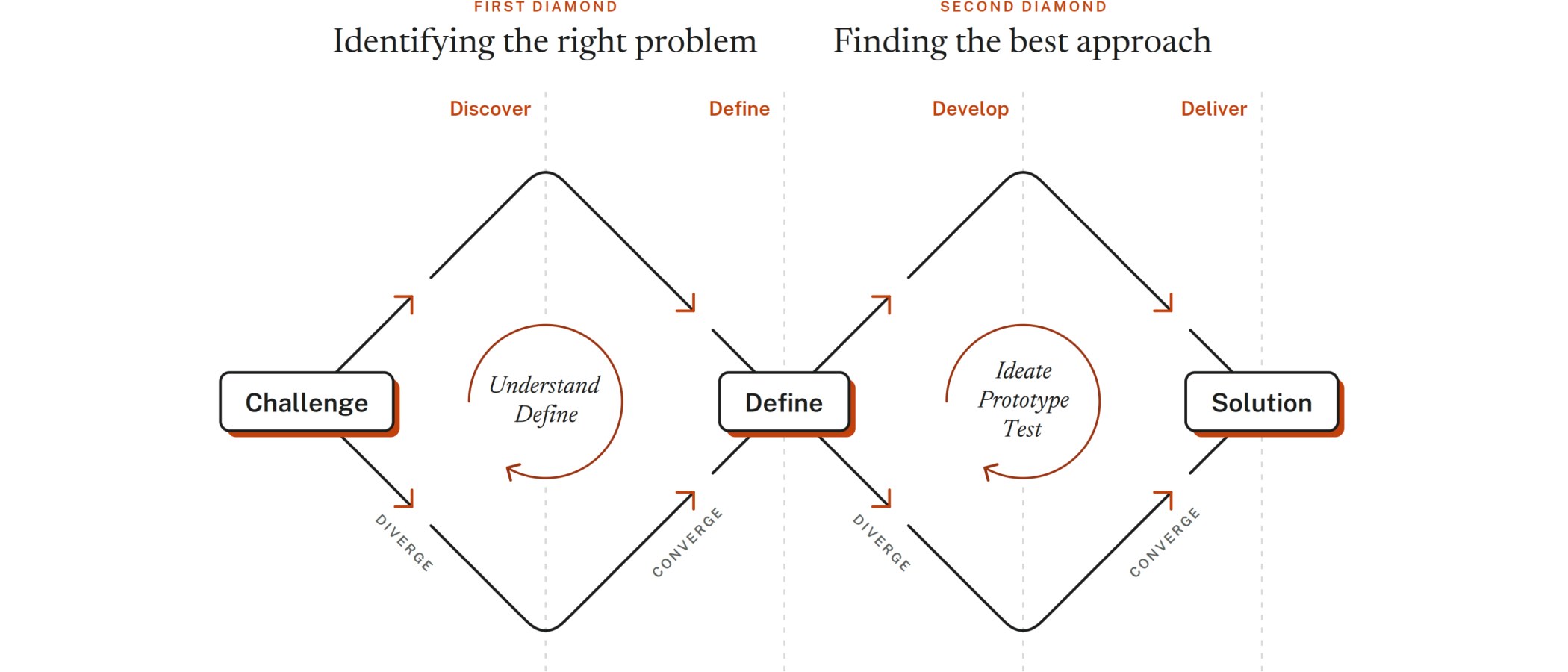
The double diamond: discover and define to identify the right problem, then develop and deliver to find the best approach. Each diamond diverges then converges.

Reframe the problem

Projects often begin with a brief that already points to a solution. I work closely with stakeholders to understand the objectives, audience, constraints and systems behind the service. Through conversations, I challenge assumptions and reframe the problem to solve, so we agree what success looks like before we design.
Understand the current state

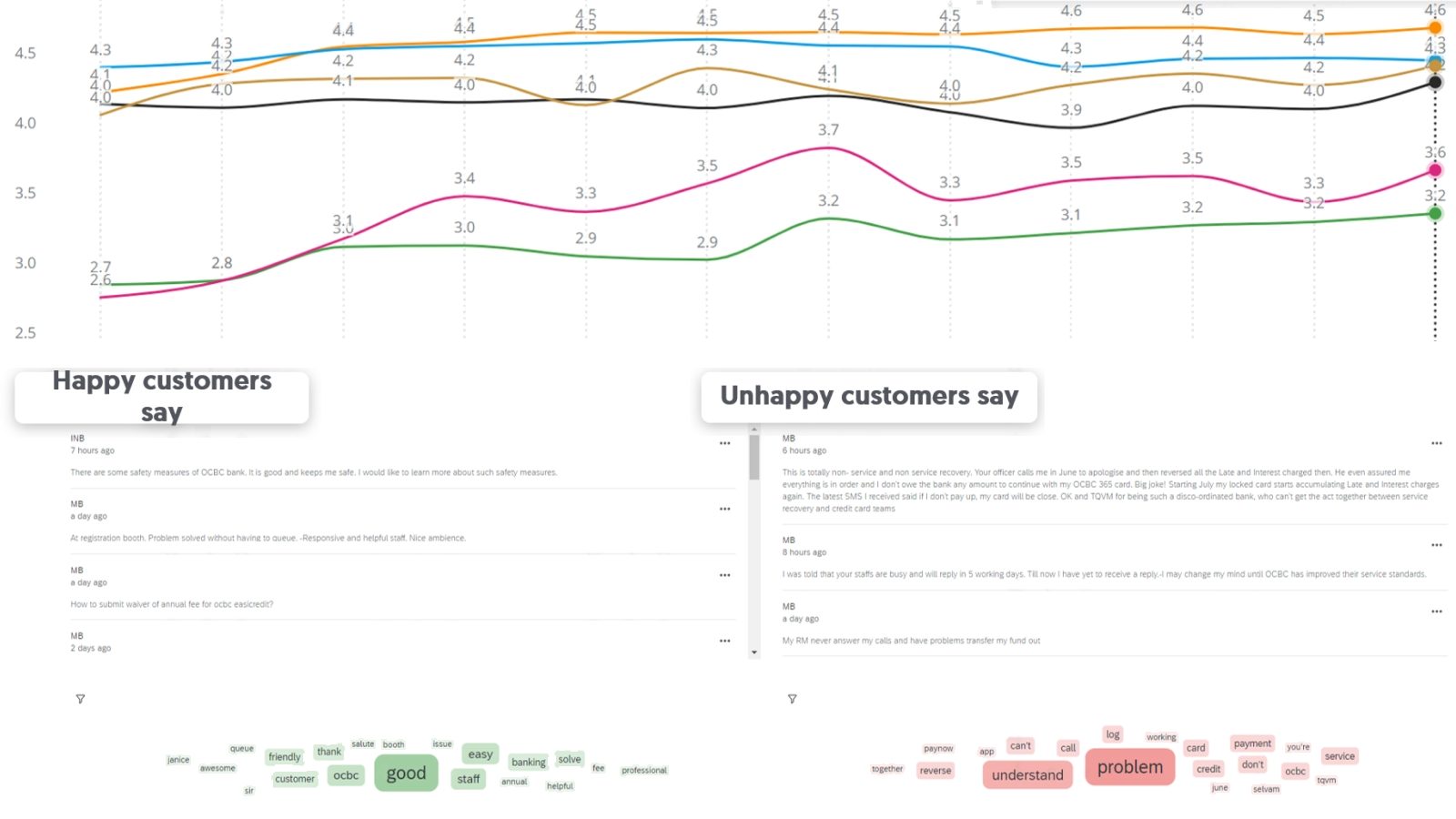
I look at what we already know: past data and customer feedback. It helps us build on what already works and focus on the problems that matter most to customers.

Customer satisfaction scores over time, with comments and word clouds from happy and unhappy customers

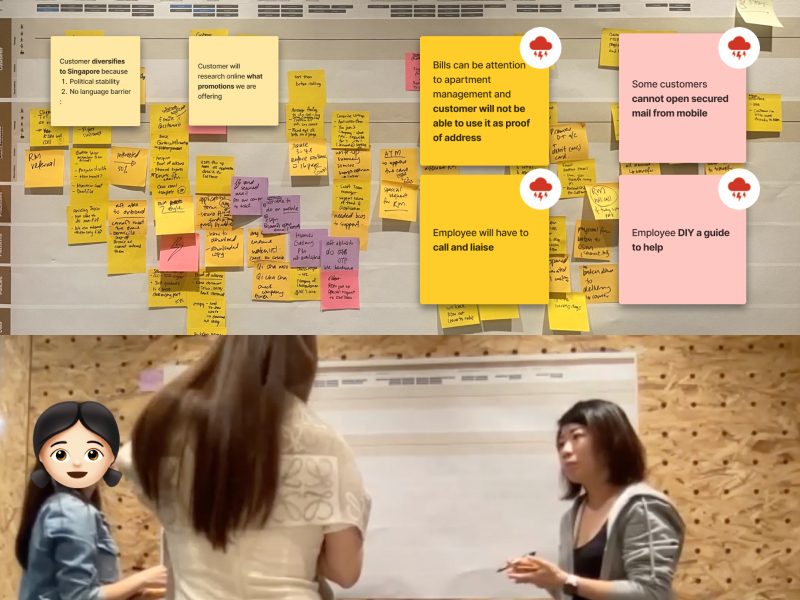
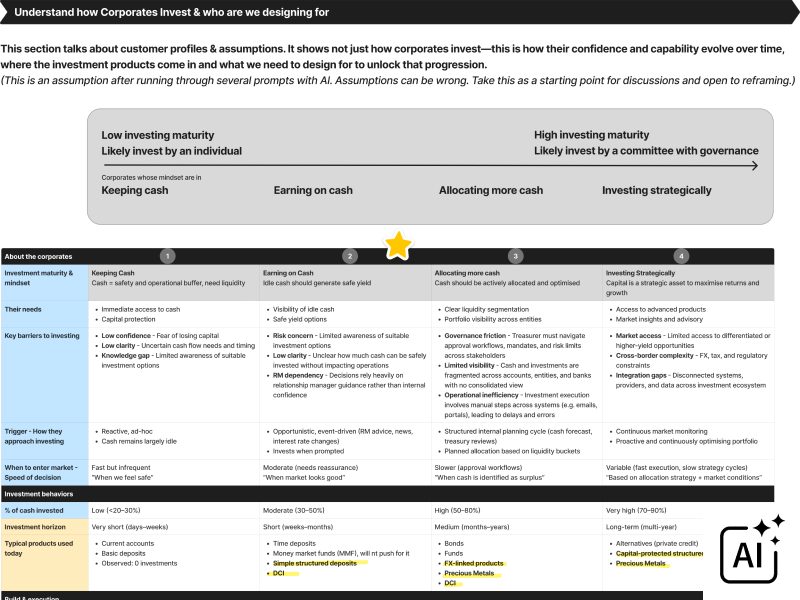
Where past data is thin, I start with desktop research, using AI to gather the knowledge. I then facilitate workshops and use journey mapping to help stakeholders identify pain points and opportunities.

As a team, we decide who we are designing for, create a persona, and walk through their journeys to find the moments that matter most. We brainstorm ideas for those moments, and agree a shared vision for the experience.

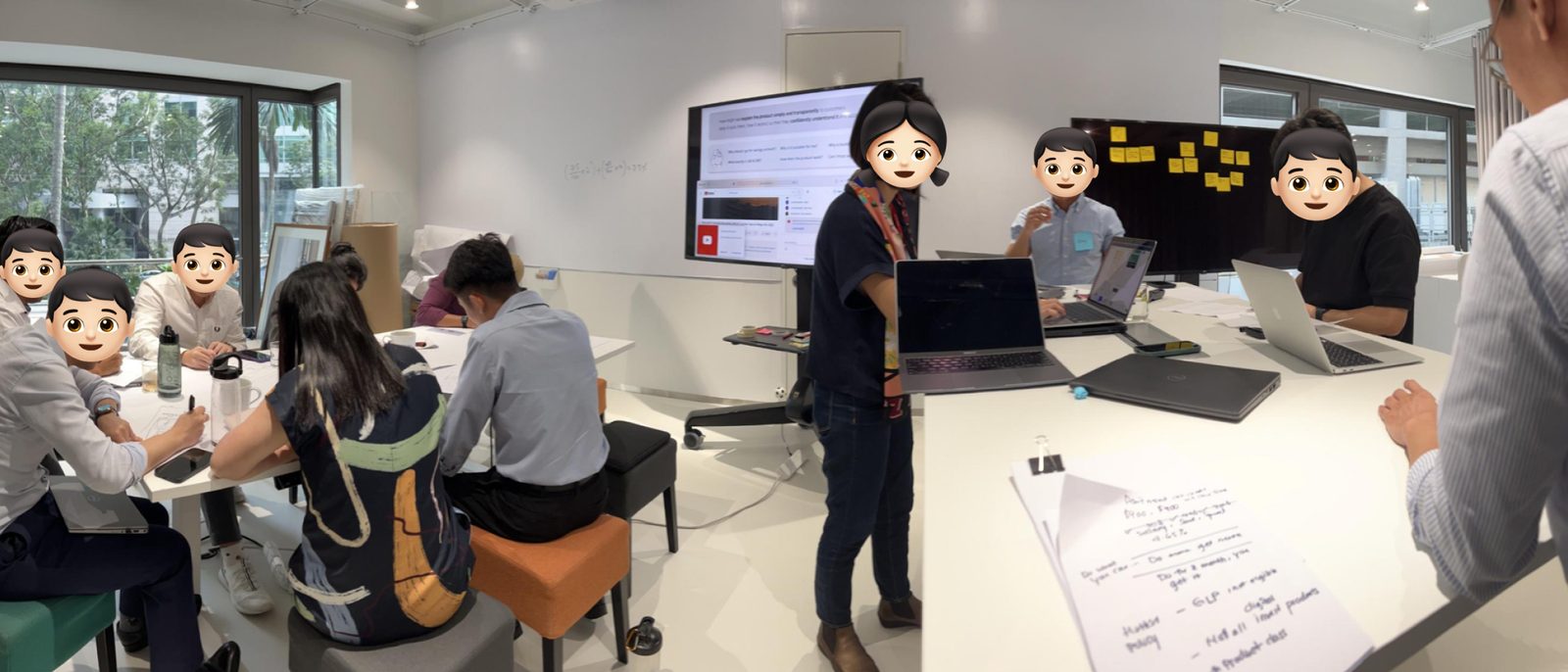
A workshop in progress: teams sketching ideas at tables and working on laptops

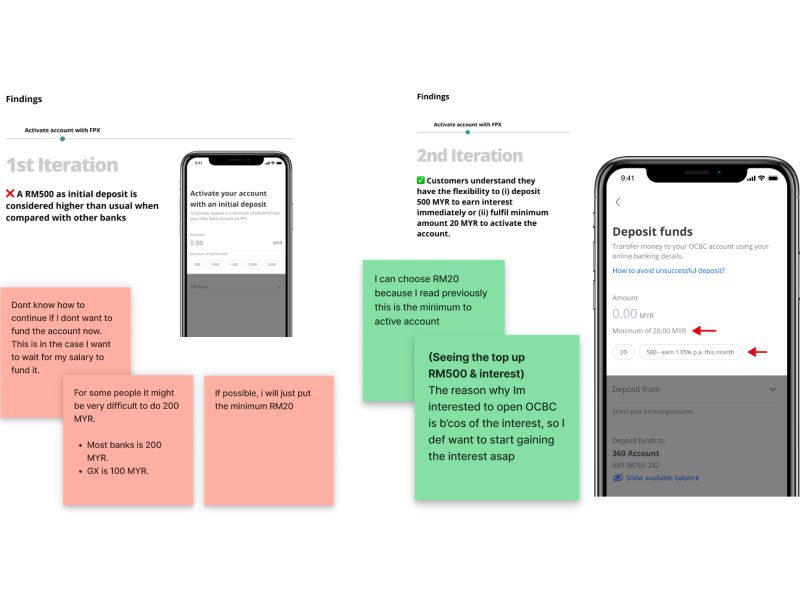
Validate ideas early, learn and iterate

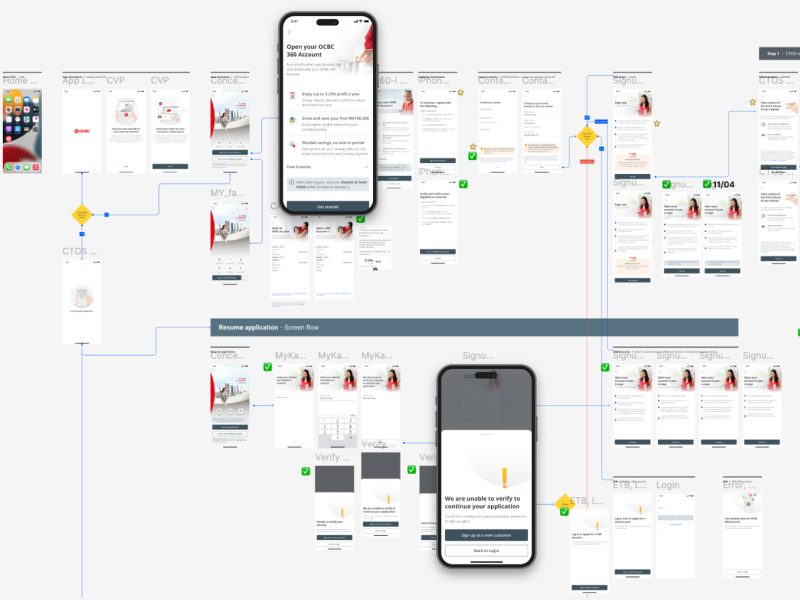
Working closely with product designers, I prototype versions of concepts to test with customers and employees. We listen to what works and what doesn't, iterate and improve as we go.

Multi-channel alignment, launch and measure

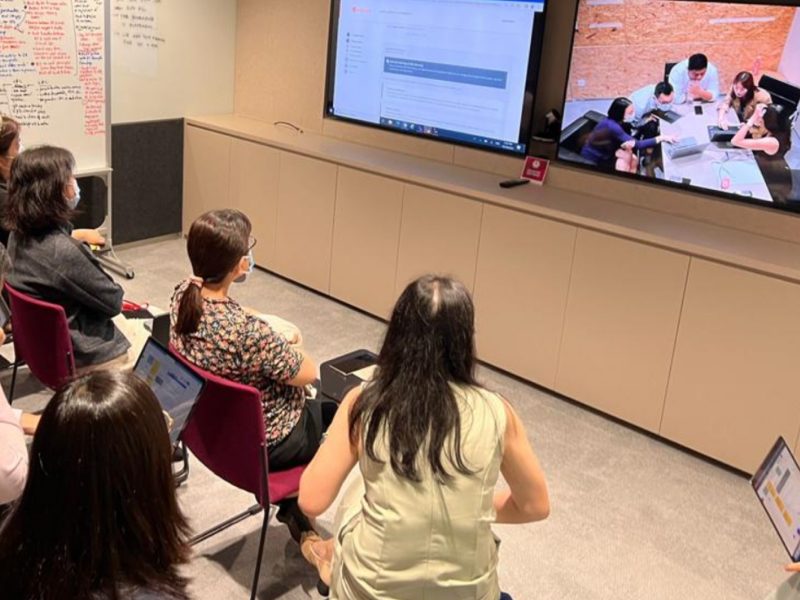
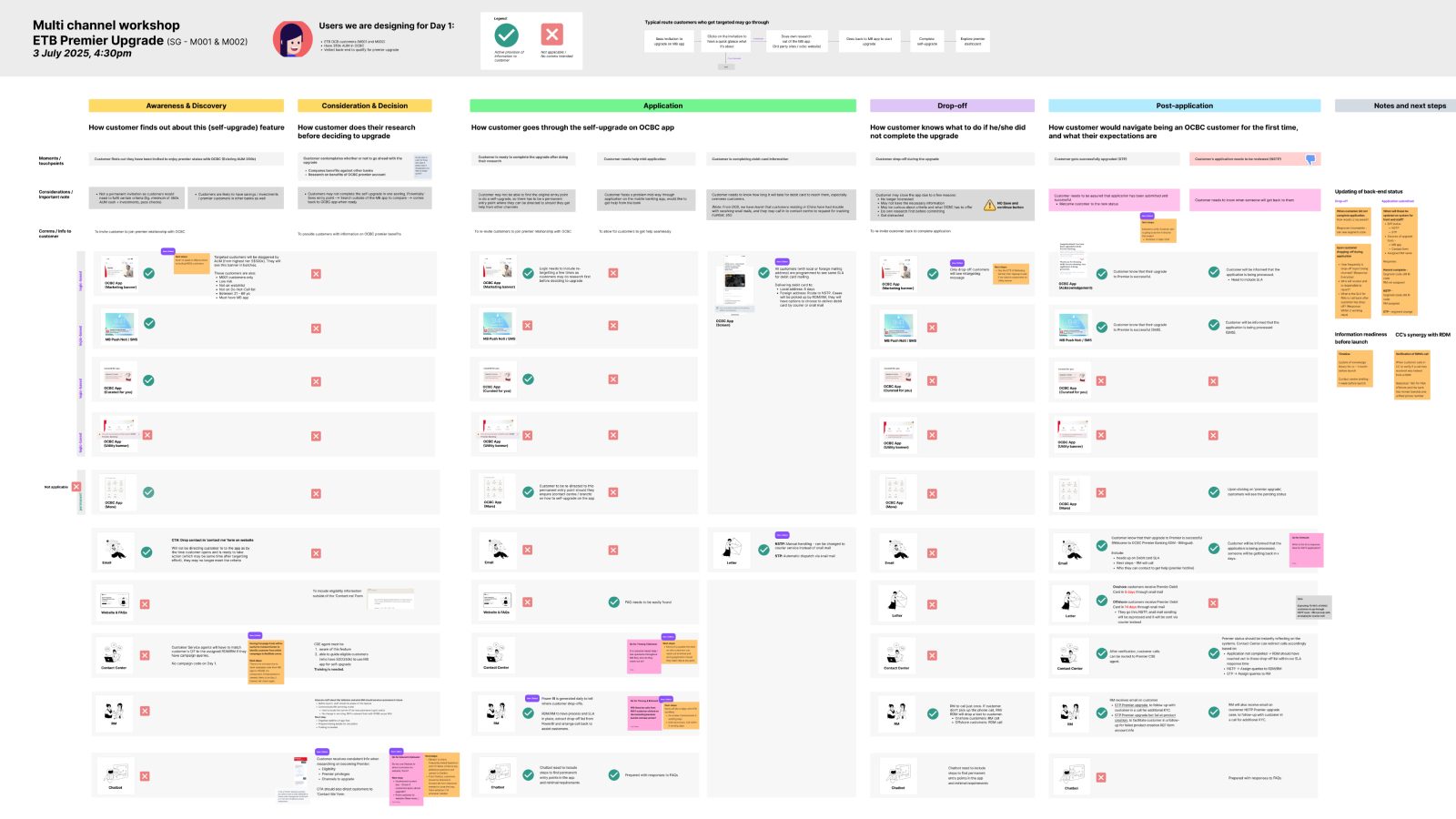
At handover, I use a service blueprint to communicate events across every channel leading to launch day. It gives working teams clarity and aligns customer-facing and backstage processes for seamless delivery.

Service blueprint from a multi-channel workshop, mapping each channel across the customer journey

Afterwards, we monitor and measure the customer impact and business revenue.

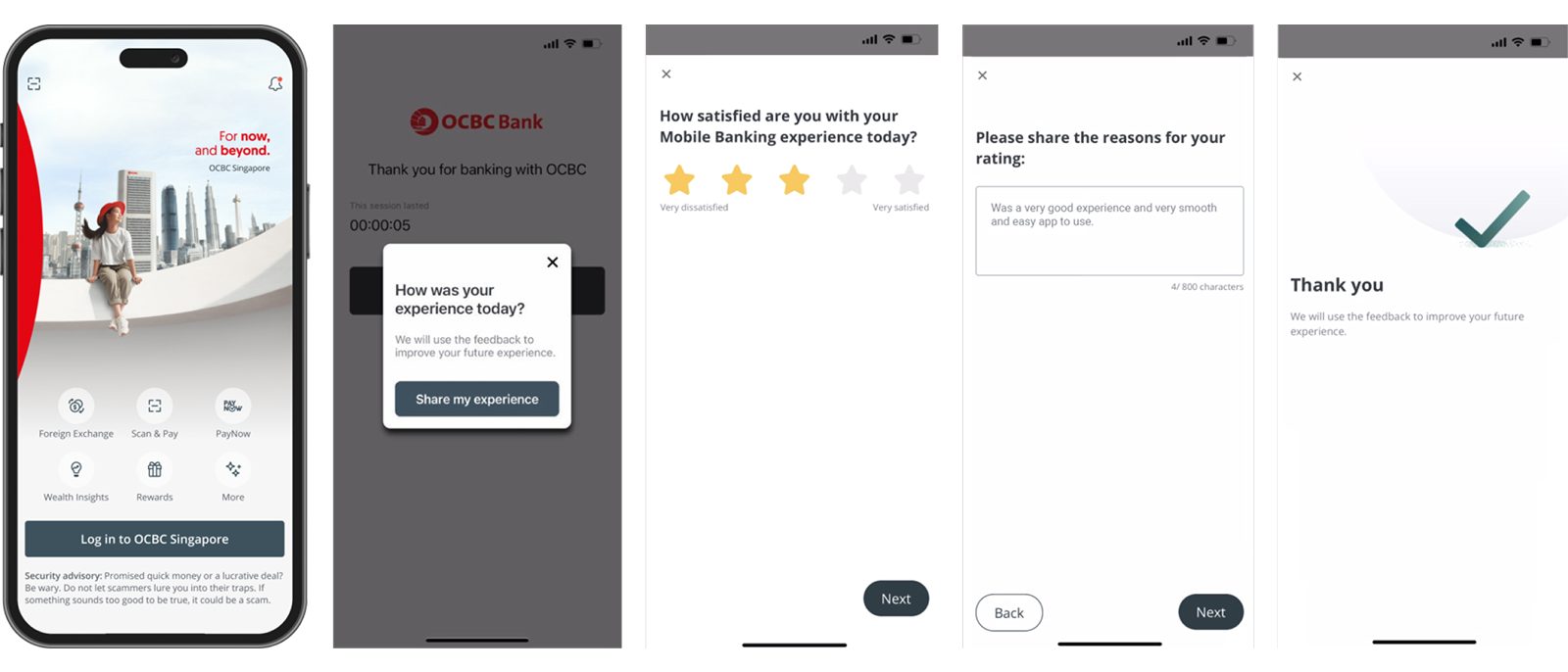
In-app feedback survey, from the rating prompt to the thank-you screen